Vintage Decorative Header 7: Graphics for Crafts
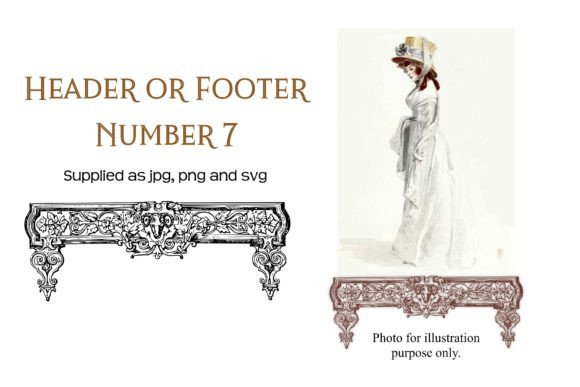
As a digital publisher who has spent years refining the visual identity of multiple content sites, I know that the difference between a reader bouncing immediately and staying to engage often comes down to split-second visual cues. When I first opened the files for Vintage Decorative Header or Footer 7, my immediate reaction was one of relief. In an era of flat, minimalist web design, there is a growing hunger for texture and history. This asset delivers an intricate, detailed vintage aesthetic that instantly elevates the perceived value of any page it touches. It feels less like a generic clip-art addition and more like a piece of editorial heritage, perfectly suited for niches that rely on trust, warmth, and artisanal quality.
Setting the Editorial Mood for High-Trust Content
The primary strength of this graphic design asset lies in its ability to establish a specific mood before a single word of copy is read. The design exudes a feminine yet professional energy, making it an ideal fit for lifestyle blogs, wedding planning resources, historical fiction reviews, or handmade marketplaces. Unlike bold, modern vectors that scream "tech startup," this piece whispers "curated experience." For bloggers and small business owners, this distinction is vital. It signals to your audience that your content is thoughtful and crafted with care.
When integrated into a website header, it creates a sense of permanence. It suggests that the publisher behind the site values tradition and detail. This is particularly powerful for affiliate marketers in the home decor, crafting, or vintage fashion sectors. By using a design that aligns with the physical products being promoted, you create a cohesive brand identity that reduces cognitive friction for the buyer. The reader subconsciously trusts a site that looks as polished as the products it recommends.
Real-World Publishing Workflows and Applications
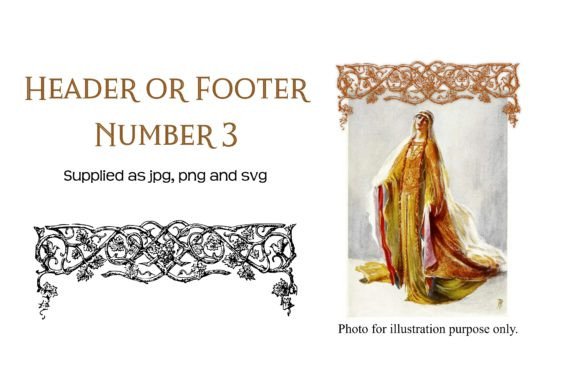
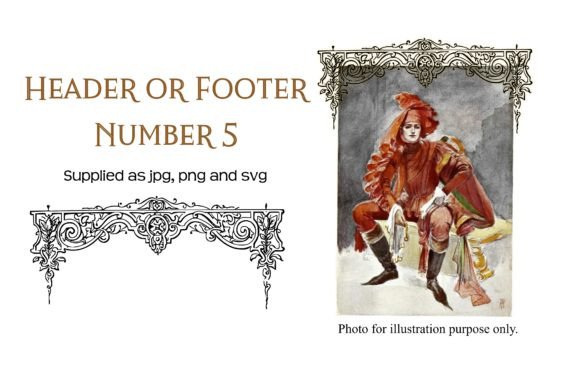
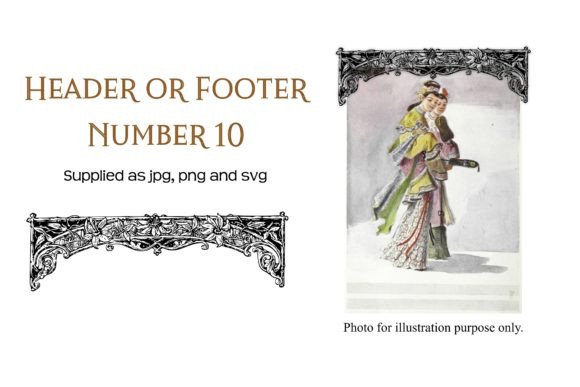
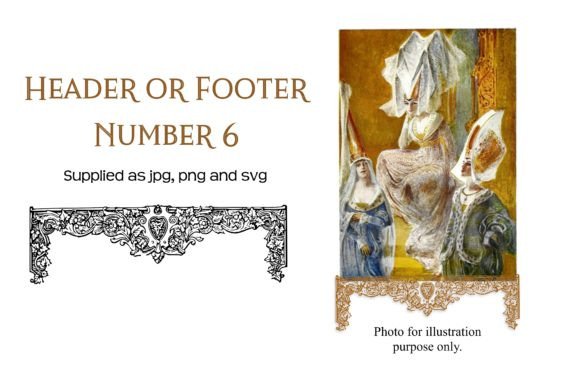
In my own workflow, versatility is king. A single purchase needs to work across multiple touchpoints to justify the investment. Vintage Decorative Header or Footer 7 shines because it is supplied in JPG, PNG, and SVG formats. This triad of file types covers every base a modern publisher needs.
- Blog Graphics and Article Headers: The SVG format allows me to scale the design infinitely without pixelation. I can stretch it across a wide hero image for a long-form guide or shrink it down for a category thumbnail while maintaining those crisp, intricate lines.
- Pinterest Pins and Social Media: Pinterest is a visual search engine where aesthetics drive clicks. Using this decorative element as a border or footer on a pin adds a layer of sophistication that helps the image stand out in a crowded feed. It frames the text beautifully, guiding the eye exactly where I want it to go.
- Digital Products and Lead Magnets: If you are creating a digital guide, worksheet, or eBook cover, this asset acts as a ready-made frame. It transforms a plain PDF into a premium printable design. For example, placing this footer at the bottom of a checklist instantly makes it feel like a finished product rather than a rough draft.
- Newsletter Banners: Email marketing requires high engagement. Using this vintage motif as a separator between sections or as a header in my weekly newsletter adds a touch of personality that plain text lacks, increasing the likelihood of readers scrolling through the entire message.
Enhancing Visual Hierarchy and Click-Through Rates
The core function of any website header or decorative element is to support visual hierarchy. Good design does not compete with content; it frames it. Because this design is intricate but generally monochromatic or sepia-toned (depending on your colorization), it provides a strong anchor without overwhelming the headline. When I tested it against various typography styles, I found it paired exceptionally well with serif fonts, enhancing the classic vibe, but it also created a striking contrast when placed beside clean sans-serif or handwritten script fonts.
This balance directly impacts performance. A stronger first impression leads to a lower bounce rate. When a visitor lands on a page that looks professionally designed, their guard drops. They are more likely to click on affiliate links, sign up for a lead magnet, or share the content on social media. The asset serves as a subtle psychological trigger, associating your content marketing efforts with quality and reliability.
Strategic Placement and Usage Cautions
While this asset is powerful, it must be used with intention. It works best in contexts where the "vintage" or "artisanal" narrative is central. It is perfect for hero images, article thumbnails, and downloadable resources where the user has time to appreciate the detail. However, caution is required when deploying it on small mobile thumbnails. The intricacy of the design means that if scaled down too aggressively on a smartphone screen, the fine lines may blur, losing their impact. Always preview your blog graphics on mobile devices before publishing.
Furthermore, avoid using this on text-heavy backgrounds or low-contrast areas. If your background image is busy, this detailed footer will get lost. It needs breathing room—white space or a solid color block—to truly shine. Additionally, for corporate niches, financial advice blogs, or ultra-modern tech sites, this aesthetic might feel too soft or dated. It is a tool for specific storytelling, not a universal fix for every industry.
Technical Notes for the Digital Publisher
Before integrating Vintage Decorative Header or Footer 7 into a live monetized site, there are practical steps every publisher should take. First, check the file size. While high resolution is great for print, web performance is critical for SEO. Ensure you compress the JPG or PNG versions appropriately so they do not slow down your page load times. Second, test the contrast. Try the asset in black and white to ensure it holds up if you ever need to print it or if a user views your site in grayscale mode.
Finally, always confirm the licensing terms. As a professional operating in the space of affiliate marketing and commercial design, I never assume a license covers everything. Verify that the commercial license included allows for use in items you intend to sell, such as templates or paid digital downloads. Once cleared, this asset becomes a versatile component of your creative marketplace toolkit, ready to elevate everything from a simple blog post to a comprehensive brand suite.
In conclusion, for those looking to inject warmth and authority into their digital presence, this graphic offers a timeless solution. It bridges the gap between traditional craftsmanship and modern web design, providing a foundation for content that feels both historic and immediately relevant.