Vintage Decorative Header 6: Graphics for Crafts
As a digital seller who has spent years navigating the fluctuating tides of Etsy, Creative Fabrica, and various print-on-demand platforms, I approach every new graphic design asset with a critical eye. It is not enough for a file to look pretty on a screen; it must solve a problem for the end user or elevate a physical product enough to justify a purchase. Recently, I evaluated Vintage Decorative Header or Footer 6 with the specific intent of integrating it into a upcoming seasonal collection. My goal was to determine if this asset could withstand the rigors of commercial use across different mediums, from delicate invitation suites to bold sublimation projects.
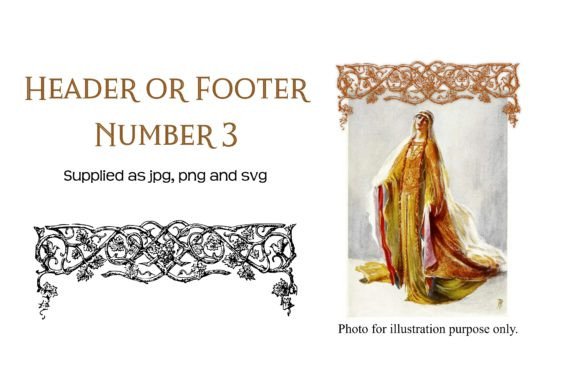
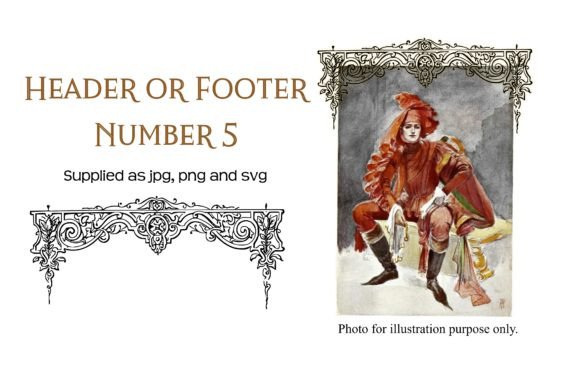
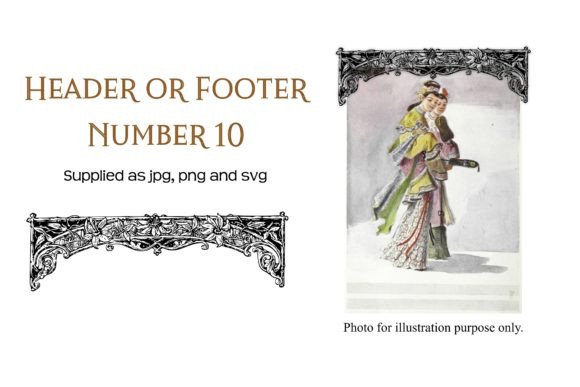
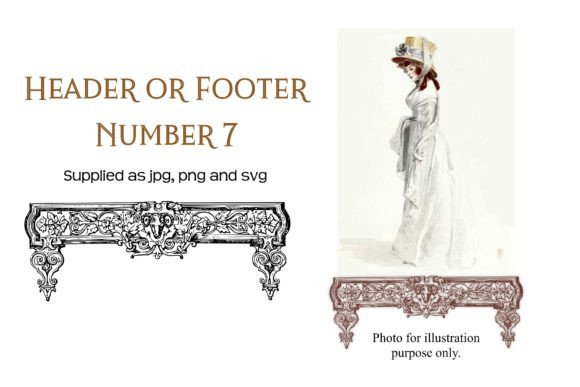
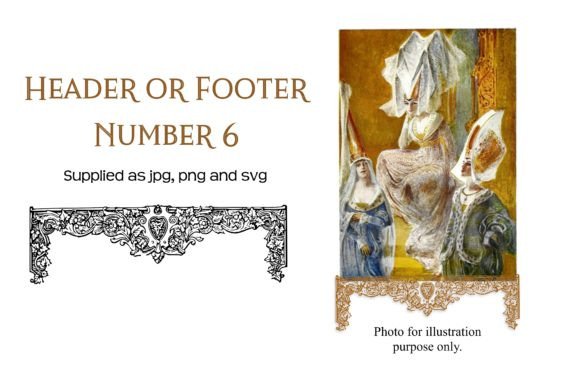
Upon first inspection, the visual personality of this asset is immediately apparent. It exudes an air of timeless elegance, characterized by intricate linework and a classic aesthetic that feels both handmade and premium. Unlike modern minimalism, which relies on negative space, this design leans into detailed ornamentation that suggests tradition and quality. For sellers targeting the wedding niche, vintage enthusiasts, or the scrapbooking community, this mood is invaluable. It attracts a buyer who appreciates nuance and is often willing to pay a higher price point for designs that feel curated rather than generic. The style is distinctly feminine yet versatile enough for formal events, making it a strong candidate for high-end digital downloads and physical merchandise alike.
Strategic Applications for Online Sellers
The true test of any commercial design lies in its adaptability. Vintage Decorative Header or Footer 6 shines when applied to products where framing and bordering are essential. Because it is supplied in JPG, PNG, and SVG formats, the possibilities for product creation are extensive. For those running a print-on-demand business, this asset is ideal for creating sophisticated mug designs or tote bag prints where a decorative band can frame a monogram or a central quote. The SVG format is particularly crucial here, allowing Cricut and Silhouette users to utilize the design as a precise cut file for vinyl applications without losing detail.
In the realm of paper goods, the potential is even greater. Imagine using this element to create a cohesive suite of greeting cards or invitation templates. The intricate details make it perfect for wedding stationery, where the header can sit atop the invite and the footer at the base, creating a professional, framed look. For sellers of Canva templates, this graphic serves as an excellent pre-made element that saves customers hours of design time. You could bundle this into a "Vintage Wedding Kit" or a "Classic Scrapbook Pack," increasing the perceived value of your shop. Furthermore, for sublimation designers, the high-resolution PNG ensures that when transferred onto tumblers or mousepads, the fine lines remain crisp and do not pixelate, maintaining that premium feel.
Enhancing Product Presentation and Brand Identity
Beyond the final product, the utility of Vintage Decorative Header or Footer 6 extends to how you market your goods. In the crowded marketplace of online crafts, your listing images are your storefront. Using this asset in your product mockups can significantly boost click-through rates. For instance, when creating a thumbnail for a planner sticker set, placing this decorative header at the top of the mockup image creates an immediate sense of brand consistency and visual hierarchy. It signals to the customer that attention has been paid to aesthetics, fostering trust before they even read the description.
This asset also supports effective visual storytelling. If you are launching a seasonal bundle, such as a "Winter Elegance" collection, incorporating this footer into your promotional social media graphics ties the campaign together. It acts as a subtle branding element that makes your small business branding feel more established. When customers see a cohesive look across your Etsy shop banner, product photos, and Instagram stories, they perceive the shop as a legitimate entity rather than a hobbyist experiment. This psychological cue is vital for converting browsers into buyers, especially in the competitive creative marketplace.
Ideal Use Cases and Strategic Limitations
While versatile, no single asset is a magic bullet for every scenario. Vintage Decorative Header or Footer 6 works best in contexts where it has room to breathe. It is exceptional for large product previews, themed bundles, and decorative layouts on printable products. It excels in merchandise graphics where the background is light or neutral, allowing the dark, detailed lines to stand out with strong contrast. It is also highly effective for digital paper packs where it can be repeated as a seamless pattern or used as a distinct border element.
However, caution is required when applying this design to tiny sticker details or overly complex layouts. Because the design is intricate, scaling it down too small for a miniature die-cut sticker might result in the loss of fine details, causing the lines to blur or merge during the cutting process. Similarly, placing this asset on dark backgrounds without a white outline or backing layer will render it invisible, as the design likely relies on dark ink against light space. Sellers must also be wary of using it in text-heavy templates; the complexity of the ornamentation can compete with typography, reducing readability. For Cricut projects requiring clean, simple cutting lines for weeding, the dense nature of this vintage style might prove frustrating for beginners unless the SVG layers are well-organized.
Practical Notes for Commercial Deployment
Before listing any product featuring Vintage Decorative Header or Footer 6, rigorous testing is non-negotiable. Always test the design on real mockups to see how it interacts with shadows and textures. Preview it specifically as a marketplace thumbnail to ensure the details do not vanish at a small scale. Check how the colors appear on both white and off-white backgrounds, as vintage designs often rely on specific contrasts to pop. If you are offering this as part of a design bundle, verify the PNG transparency thoroughly to avoid unsightly white boxes around the edges.
For those utilizing the SVG file, inspect the cut quality in your software of choice. Ensure that the nodes are optimized so that cutting machines do not stutter over unnecessary points. Confirm the file resolution is sufficient for large-format printing if you intend to sell wall art. Organization is key for customer satisfaction; clearly label the JPG, PNG, and SVG files in your download folder to prevent confusion. When pairing this asset with typography, experiment with serif fonts for a classic look, script fonts for a romantic feel, or display fonts for a bold statement, but always prioritize legibility.
Finally, and most importantly, confirm the commercial licensing terms before selling finished products. Whether you are creating a t-shirt design, a piece of packaging design, or a component of a larger illustration pack, understanding your rights ensures your handmade business remains secure. By treating Vintage Decorative Header or Footer 6 not just as a clipart file but as a strategic tool for building a cohesive, professional product line, you can maximize its ROI and deliver genuine value to your customers.