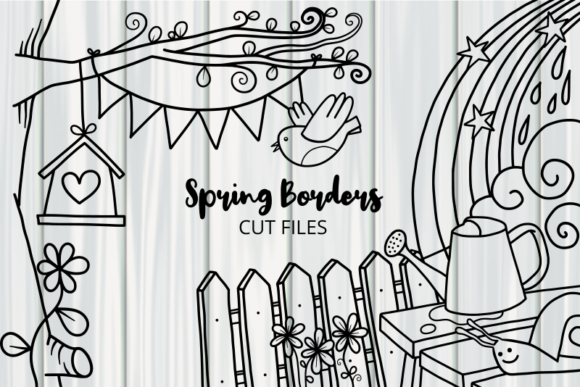
Spring Borders Cut Files: Graphics for Crafts & Brands
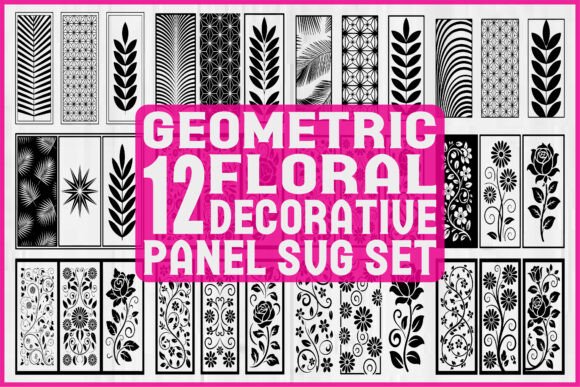
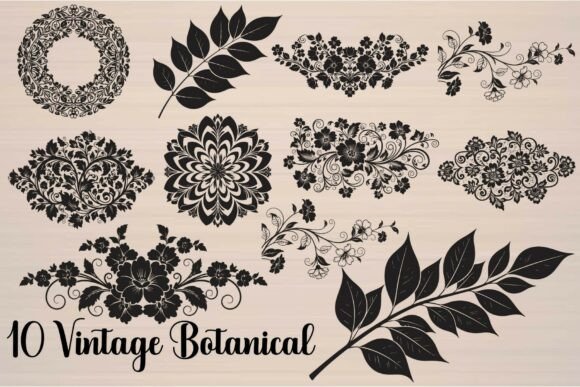
As a brand designer who spends most of my week refining identities for local businesses, I am always skeptical of pre-made assets. Too often, they feel generic or lack the versatility required for professional small business branding. However, upon reviewing the Spring Borders Cut Files Line Art, my initial impression was one of genuine utility. This isn't just a collection of random doodles; it is a cohesive set of decorative elements that exude a friendly, handmade, and organic mood. For a local business looking to establish a warm connection with its community, these borders strike the perfect balance between playful and polished.
The aesthetic suggests a brand personality that is approachable yet attentive to detail. It feels distinctly "spring"—fresh, blooming, and light—without being overly childish. This makes it an ideal fit for boutique owners, handmade soap makers, florists, and artisanal food producers. When I imagine applying these lines to a product label for a small-batch honey jar or a skincare serum, they immediately elevate the perceived value of the item. They offer that custom-drawn look that customers associate with quality handmade business ventures, providing a visual shorthand for care and craftsmanship.
Elevating Packaging Design and Product Presentation
In the realm of packaging design, first impressions are everything. A customer picks up a product based on shelf appeal, and these borders provide an excellent framework for creating that initial hook. I envision using these assets to frame ingredient lists on the back of a candle box or to create a decorative header on a hang tag for a clothing boutique. By establishing a clear visual hierarchy, the borders guide the eye naturally from the logo to the essential information, ensuring the design feels structured rather than cluttered.
For a real-world application, consider a seasonal campaign for a local bakery. Using the Spring Borders Cut Files Line Art on limited-edition cupcake boxes can instantly signal a fresh, spring-themed collection. The lines work beautifully as accents on thank-you cards included in online orders, reinforcing the personal touch that defines successful local business interactions. Furthermore, when used on social media graphics, these borders can unify a feed, making promotional posts look like part of a curated editorial spread rather than disjointed ads. This consistency builds customer trust and strengthens brand recognition over time.
Versatility Across Digital and Physical Media
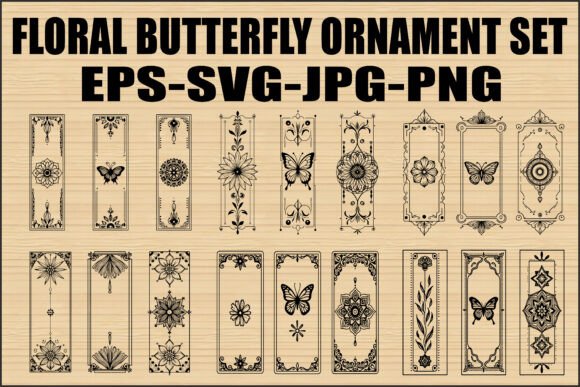
One of the strongest aspects of this graphic design asset is its file format versatility. The inclusion of EPS, SVG, DXF, and JPG files means this collection bridges the gap between digital marketing and physical production seamlessly. For the creative entrepreneur managing their own logo design updates or website banners, the SVG files are particularly valuable. They scale infinitely without losing resolution, ensuring crisp lines on everything from a massive trade show banner to a tiny Instagram story highlight cover.
For those involved in Crafts and physical product creation, the DXF and SVG compatibility with machines like Cricut and Silhouette is a game-changer. Imagine a stationery shop using these borders to cut custom vinyl decals for their storefront windows or to create embossed effects on greeting cards. The ability to manipulate these vectors in software like Inkscape or Illustrator allows a designer to adjust stroke weights or combine elements to create unique patterns that feel bespoke. This level of editability is crucial for maintaining a unique brand identity in a crowded marketplace.
Strategic Placement and Design Caution
While these borders are incredibly useful, they must be deployed strategically. They shine brightest as hero graphics on packaging accents, promotional flyers, and printable inserts. They are perfect for framing testimonials on a website or highlighting a special offer on a menu. However, caution is advised when dealing with formal corporate branding or luxury minimalist brands where less is more. In these contexts, the doodle style might feel too casual.
Additionally, designers must be careful not to let the decoration compete with critical text. On very small product labels or areas dense with legal information and ingredients, adding a border can reduce legibility. It is vital to maintain high contrast; using thin line art on a busy or low-contrast background can make the design disappear. Always ensure there is enough "breathing room" around the border so it enhances the content rather than suffocating it.
Practical Notes for the Professional Designer
Before integrating the Spring Borders Cut Files Line Art into a client project, I recommend a rigorous testing phase. First, test the assets on real product mockups to see how the line weight translates at actual size. What looks bold on a screen might vanish when printed on a two-inch sticker. Check the black and white usage specifically, as many commercial design projects require monochrome printing for cost efficiency. Ensure the lines remain distinct and do not blur together.
Typography pairing is another critical consideration. These borders pair exceptionally well with script fonts and handwritten styles, enhancing the organic feel. However, they also provide a nice counterpoint to clean sans-serif fonts, creating a modern yet soft aesthetic. Avoid pairing them with overly ornate display fonts, as the combination can become visually noisy. Finally, and perhaps most importantly, always review the commercial license. While these assets are marketed for Crafts and general use, confirming that you have the rights for unlimited physical product sales and client work is a non-negotiable step in professional branding.
Ultimately, this collection serves as a powerful tool for elevating the visual language of small businesses. Whether used for a Canva template for social media or a vector cut for packaging, the Spring Borders Cut Files Line Art offers the flexibility and charm needed to tell a compelling brand story. By understanding where and how to apply these elements, designers can transform simple products into memorable experiences for customers.