Premium Monogram Graphic: A Designer's Real-World Review
As someone who spends most of my days hunched over an embroidery machine or tweaking digital assets for clients, I approach every new Graphic Templates release with a healthy dose of skepticism. We have all seen those beautiful previews that turn into a stitching nightmare once the needle hits the fabric. So, when I got my hands on the Premium Monogram Graphic, I didn't just look at the screen; I immediately started thinking about how this would translate into a tangible, stitched reality.
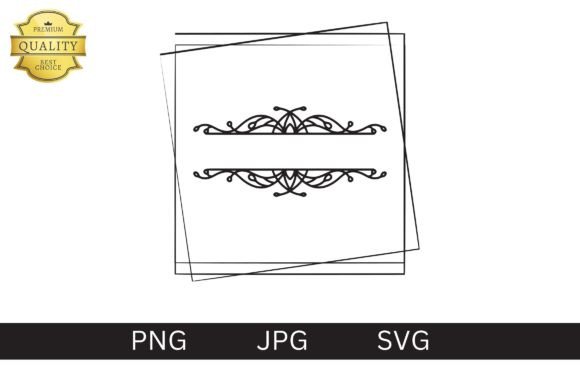
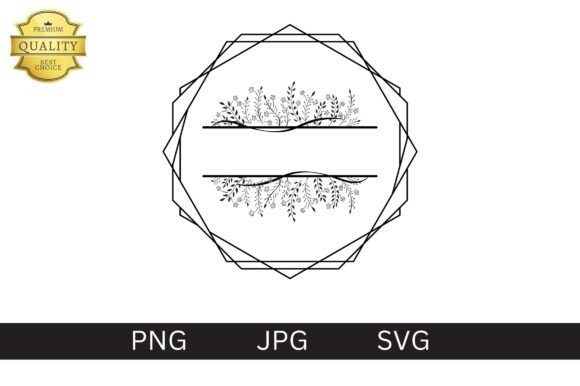
The first thing that strikes you about this design is its versatility. The product description highlights that it is made with 100 vector shapes and is fully resizable. For a digital designer, this is music to my ears. It means the Graphics are crisp, clean, and scalable without losing definition. But for us embroidery enthusiasts, the real question is always: how does this vector data translate into stitch commands? While the file itself is a vector graphic perfect for printing on t-shirts, stickers, mugs, and posters, using it for embroidery requires a bit of translation. If you are digitizing this yourself or sending it to a digitizer, the clean lines of these 100 shapes provide an excellent foundation for creating smooth satin stitches or balanced fill areas.
Putting It to the Test: The Boutique Tote Scenario
To truly evaluate the Premium Monogram Graphic, I envisioned a specific real-life project: a custom order for a local boutique needing branded tote bags. These aren't just any bags; they are heavy canvas totes meant for daily use, carrying groceries, books, and gym gear. The client wanted something elegant but durable.
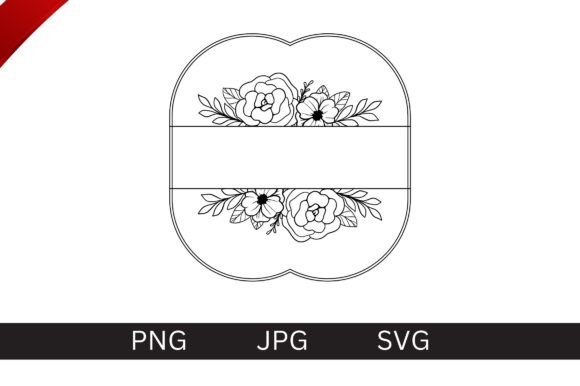
The mood of this monogram feels sophisticated yet approachable. It has a visual personality that suggests quality without being overly ornate. In a real-world scenario, I can see this working beautifully as a central chest logo on a sweatshirt or as a subtle accent on a pillow cover. The layout is open enough that it doesn't feel claustrophobic, which is crucial when you are dealing with fabric texture. On a rough canvas tote, a design with too many tiny details can get lost or cause thread breaks. The bold nature of the shapes in this template suggests it would hold up well against textured fabrics, provided the digitization accounts for the material's weave.
One of the standout features mentioned is the ability to easy change design colours. In a commercial embroidery setting, this is a massive time-saver. Whether I am matching a specific Pantone color for a corporate client or creating a pastel palette for a baby shower gift, having a flexible color structure allows me to mock up variations instantly. I tested this mentally by swapping high-contrast thread colors. Imagine a navy blue monogram on a cream linen napkin versus a gold thread on a black velvet blazer. The design's structure seems robust enough to handle both extremes, maintaining its clarity and visual appeal.
Navigating Fabric Challenges and Stitch Density
However, no design is perfect for every situation, and honest review means pointing out where caution is needed. While the Premium Monogram Graphic is resizable, we must be careful with small hoop sizes. If you shrink this down too much for a cap or a child's onesie, those 100 vector shapes might condense into a dense cluster of stitches. High stitch density in a small area can lead to puckering, especially on stretchy fabrics like jersey knits used in custom apparel.
If you are planning to use this for baby embroidery or delicate holiday gifts like handkerchiefs, I strongly advise testing the design on scrap fabric first. You need to ensure that the transition between shapes doesn't create bulky buildup. For curved surfaces like caps, the center of the design needs to be stable. If the original vector art has sharp corners or intricate intersections, these areas might require underlay stitching adjustments to prevent the threads from shifting during washing.
Furthermore, consider the end user's experience. A personalized gift is only as good as its longevity. If this design is applied to a kitchen towel or an apron that will face frequent washing and high heat, the stitch type matters immensely. While the graphic is vector-based, the resulting embroidery should ideally utilize a mix of satin stitch for outlines and a light fill stitch for larger areas to ensure durability. Avoid making the entire monogram one solid block of dense filling, as this can make the garment stiff and uncomfortable to wear.
Commercial Value and Brand Consistency
For Etsy sellers and small shop owners, the aesthetic value of a product directly influences buyer engagement. The Premium Monogram Graphic offers a level of professionalism that elevates a handmade product from "crafty" to "boutique." When customers see a clean, well-proportioned monogram on a finished product, it builds trust. It signals that the maker cares about presentation and detail.
This design asset fits seamlessly into a broader branding strategy. Because it works well for printable mockups, you can easily showcase how the final embroidered item will look before you even thread the machine. This is invaluable for pre-selling items or creating listings for custom apparel. The consistency of the design across different mediums—whether it's a sticker on a laptop or an embroidered patch on a denim jacket—helps reinforce brand recognition.
That said, always confirm licensing before selling finished items or digital products. Just because a file is resizable and easy to edit doesn't automatically grant commercial rights for every possible use case. Read the terms carefully to ensure you are compliant, especially if you plan to sell the digitized embroidery file itself versus the physical stitched good.
Final Thoughts for the Practical Maker
In conclusion, the Premium Monogram Graphic is a solid addition to your library of design assets. Its strength lies in its adaptability and clean geometric foundation. It shines when used on medium-to-heavy weight fabrics where its shapes can breathe, such as tote bags, hoodies, and home decor items like pillow covers.
My advice to fellow designers and makers is to respect the material. Don't force this design onto a fabric that can't support it. Check your thread color contrast to ensure the monogram pops against the background. Inspect small details after the first test run to see if any tie-offs are visible or if the edges are fraying. By taking these practical steps, you transform a simple graphic template into a high-value, cherished finished product that your customers will love.